Our Scottsdale History
Art, Western Culture in Scottsdale’s DNA
By Joan Fudala, Official City of Scottsdale Historian
Western Spirit: Scottsdale’s Museum of the West is honored to be sited in an area of sacred land that neighbors the Salt River Pima-Maricopa Indian community, the O’odham (Pima) and Xalychidom Piipaash (Maricopa) Peoples and the land of their Huhugam ancestors. In addition to the current and historic people who once lived or traveled near the museum’s location, we continually commemorate the history and cultural significance of the First Peoples of the entire Southwest through exhibits, programs and events.
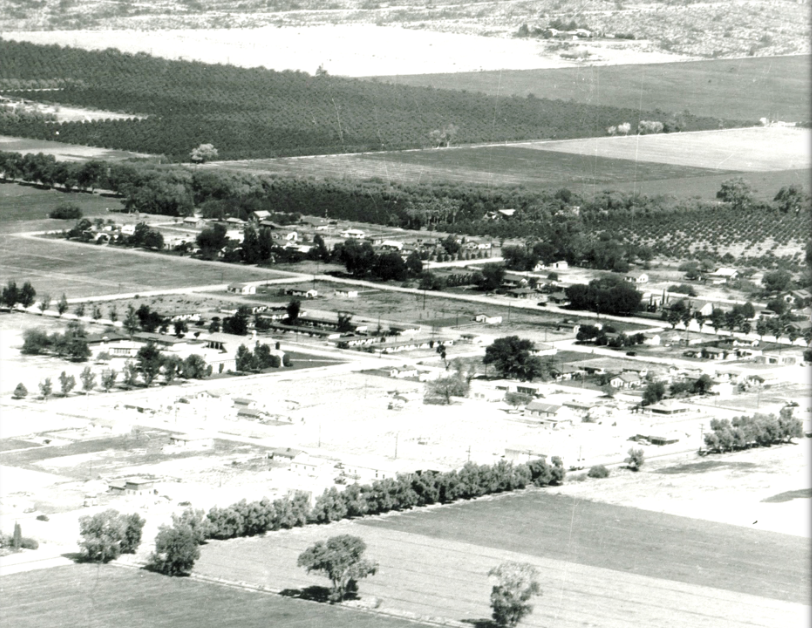
Artists of all kinds – visual, photographic, literary, performing — have found Scottsdale to be an inspirational muse for well over a century. Residents have cultivated Scottsdale’s cultural environment since its modern founding in 1888, and have encouraged creativity among people of all ages and abilities Arts and culture are definitely in Scottsdale’s DNA!
Just a few of Scottsdale’s art and cultural milestones:
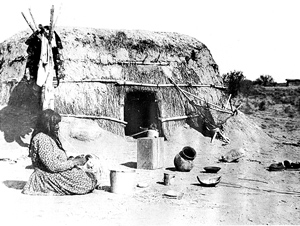
- Indigenous people created baskets and pottery over 1,000 years ago, making the Scottsdale area a source of Pre-Columbian art.
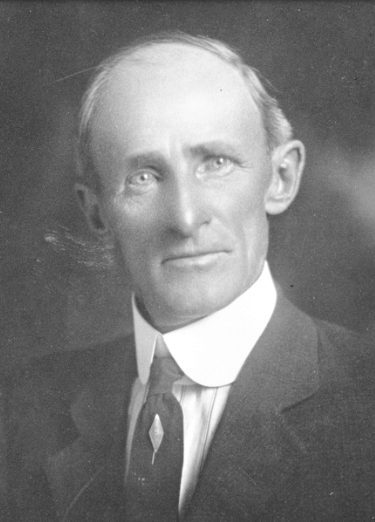
- Founder/namesake Winfield Scott welcomed the first artist to Scottsdale in 1909. Marjorie Thomas, a graduate of Boston’s Museum of Fine Arts School, reluctantly came west with her brother who had tuberculosis. Her first commission was to memorialize Chaplain Scott’s former U.S. Army mule, Old Maud, in an oil painting. Miss Thomas continued to paint farm animals, desert landscapes and buildings she saw around her in Scottsdale and Arizona until her death here in 1978. Throughout 2017, her work is on exhibit at Scottsdale’s Museum of the West.
- Among pre-World War II artists coming to Scottsdale were Jessie Benton Evans, Oscar Strobel, Mathilde Schaefer Davis, Lew Davis, Lon Megargee and Lillian Wilhelm Smith. Displaying or selling their works was a challenge, as Scottsdale and Phoenix had no art galleries or museums, and the major art exhibition took place annually during the Arizona State Fair. Local resorts, however, commissioned their work, as did the New Deal’s Federal Art Program.
- Frank Lloyd Wright opened his School of Architecture and winter home at the foot of Scottsdale’s McDowell Mountains in 1937. He and his wife held cabarets and cultural salons, featuring performances and art created by architectural apprentices. Taliesin West has been listed on the National Register of Historic Places and as a UNESCO World Heritage Site.
- AiResearch plant manager Tom Darlington saw a new investment opportunity following World War II. He purchased the former Brown’s General Store on the northwest corner of Brown and Main Streets in Scottsdale and turned it into the Arizona Craftsmen Center to house working studios for artisans. Dedicated in February 1946, initial tenants included Lew Davis (oil painter), Mathilde Schaefer Davis (pottery/ceramics), Lloyd Kiva (leather bags and fashions), Wes Segner (silversmith), “Sandy” Sanderson (woodcraft/sculpture) and George Cavalliere (ornamental ironwork). Former First Lady Eleanor Roosevelt visited the Arizona Craftsmen in 1946 and 1947, writing about her visits in her nationally-syndicated “My Day” column, drawing attention to Scottsdale and its resident artisans.
- As tourists and residents came to Scottsdale following World War II, the Arizona Craftsmen became the catalyst that created Scottsdale image as an arts, crafts and fashion center. Craft shops and art galleries opened throughout Scottsdale. Buck and Leo Saunders opened the Trading Post on Brown Avenue in 1949, and helped launch the stellar career of Ted DeGrazia. Other artists and creative types settled in George and Rachel Ellis’ Cattle Track Art Enclave, which continues to thrive as a creative center today.
- To enhance Scottsdale’s post-World War II cachet for tourists and new residents, and deliver on an image created by Hollywood Westerns, merchant Malcolm White coined a slogan for the town: Scottsdale – The West’s Most Western Town.” Businesses redesigned their storefronts in a Hollywood Western motif, Western events like rodeos and horse shows were staged and businesses renamed with Western monikers.
- Arts patrons Fowler and Anne McCormick not only helped the Arizona Craftsmen relocate to what is now Fifth Avenue after their original location was destroyed by a fire in 1950, but Mrs. McCormick also opened the Indian Arts & Crafts Center on the McCormick’s Ranch (current location of the Via de Ventura post office). Santa Fe/Taos artist Pop Chalee and her husband Ed Natay headlined the artists who lived and worked in seven hogans on the site.
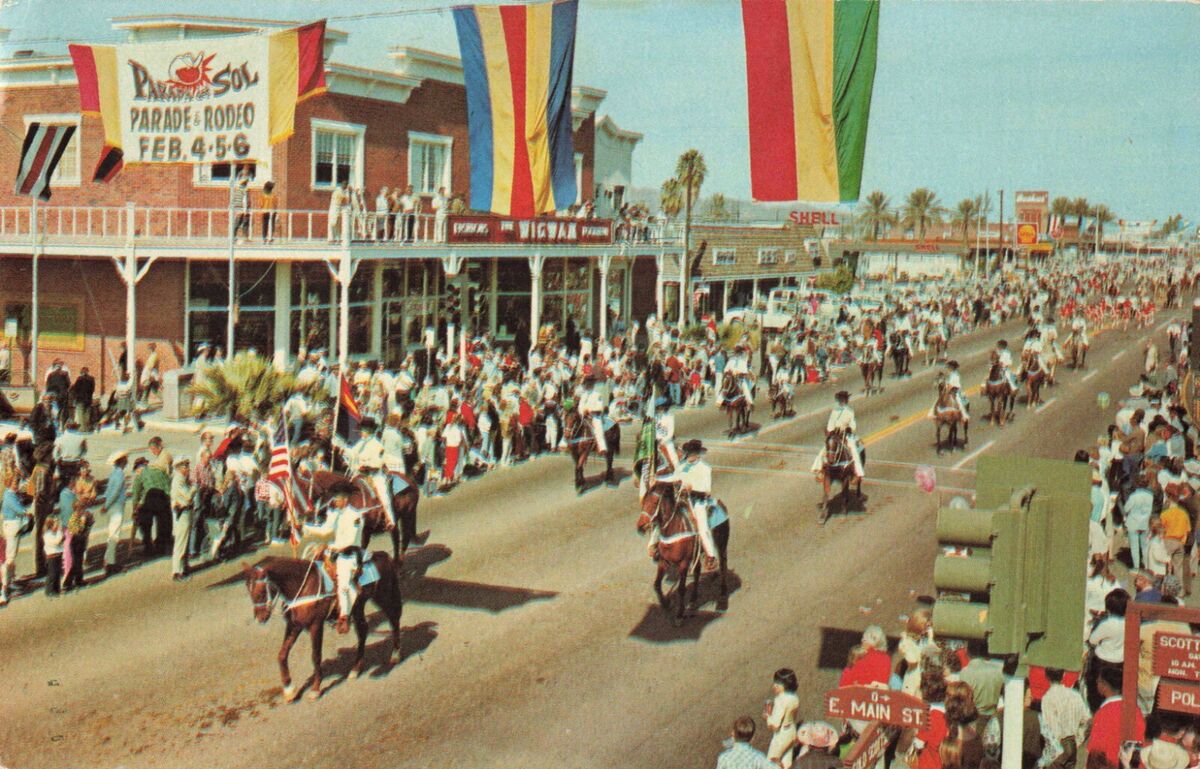
- In 1951, the Scottsdale Chamber of Commerce began a Western-themed event, the Sunshine Festival, later renamed the Parada del Sol. Over 70 years later, it is a beloved annual tradition, including a horse-themed parade, mail delivery by the Hashknife Pony Express, a street party in Old Town Scottsdale and a rodeo.
- During the 1960s and early 1970s, Scottsdale hosted a major juried exhibition, the National Indian Arts Exhibition, held at either the Safari or Executive House resorts.
- In 1964, over 100 residents participated in the Scottsdale Town Enrichment Program, developing a wish list and strategies for enhancing Scottsdale’s infrastructure, from building a civic center, to envisioning both a Western museum and a performing arts center…and more.
- The City of Scottsdale created a Fine Arts Commission in 1967, and began accepting and purchasing paintings and sculptures for the municipal art collection. One of the first major installations was Louise Nevelson’s “Windows to the West,” installed in 1973 between City Hall and Civic Center Library. Scottsdale’s Public Art Program is comprised of over 100 classic and contemporary pieces throughout the city; one of the most popular is Robert Indiana’s LOVE sculpture on Civic Center Mall. Other installations depict Scottsdale’s Western heritage: tributes to the Hashknife Pony Express, founders Winfield and Helen Scott and the Yearlings.
- In 1968, a group of Scottsdale ‘old timers’ petitioned the city to save Scottsdale’s historic Scottsdale Grammar School. From this effort, the Little Red Schoolhouse was saved, the Scottsdale Historical Society was born, and the group has been preserving and celebrating Scottsdale’s history ever since.
- In 1971, Scottsdale began hosting the annual Scottsdale Art Festival on Civic Center Mall. When the Scottsdale Center for the Arts opened in 1975, its lobby became the municipal art gallery, showcasing local and nationally acclaimed artists. The Scottsdale Gallery Association began holding Thursday Night Art Walks in the mid-1970s.
- In the mid-1980s, the city – with the help of a consultant – evaluated the growing city’s needs for enhanced arts and cultural programs and organizations. The Scottsdale Cultural Council was established to manage the Center for the Arts (opened in 1975), the public art program and cultural programs held on Scottsdale’s Civic Center Mall.
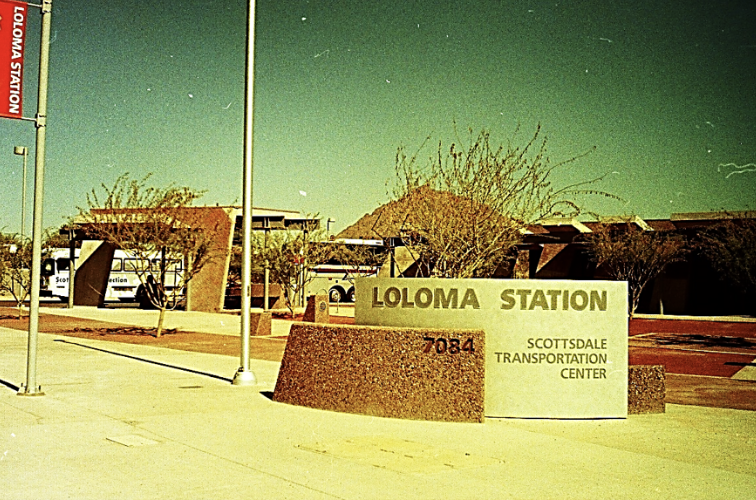
- The Scottsdale Artists’ School was established in 1983, and moved into the historic Loloma School (adjacent to Western Spirit) in 1993.
- Scottsdale’s Museum of Contemporary Art opened in 1999 at Scottsdale’s Civic Center.
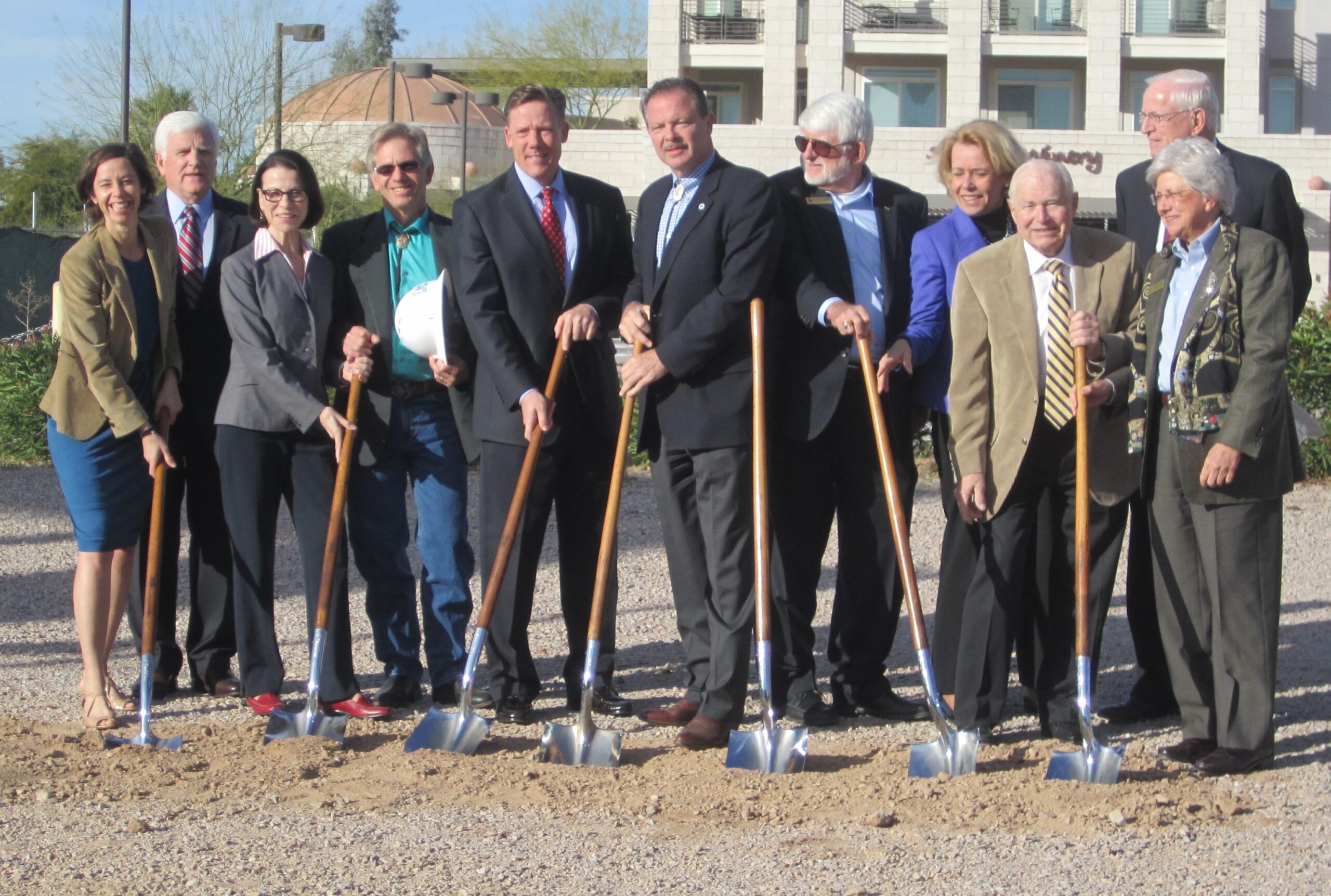
- Envisioned since the STEP Committee ideas from the mid-1960s, and championed by a small but mighty group of civic-minded residents, Western Spirit: Scottsdale’s Museum of the West opened in 2015. During its first year, Western Spirit became an affiliate of the Smithsonian Institution, and has been named Best Western Museum in the U.S. for several years.
- In 2023, Western Spirit: Scottsdale’s Museum of the West made two major announcements: a gift of $12 million from Buzz Sands to fund expansion of the museum, and the gift of the 1,000-plus piece Eddie Basha collection of Western art, to be on exhibit in the new wing of the museum.